
What makes an asset
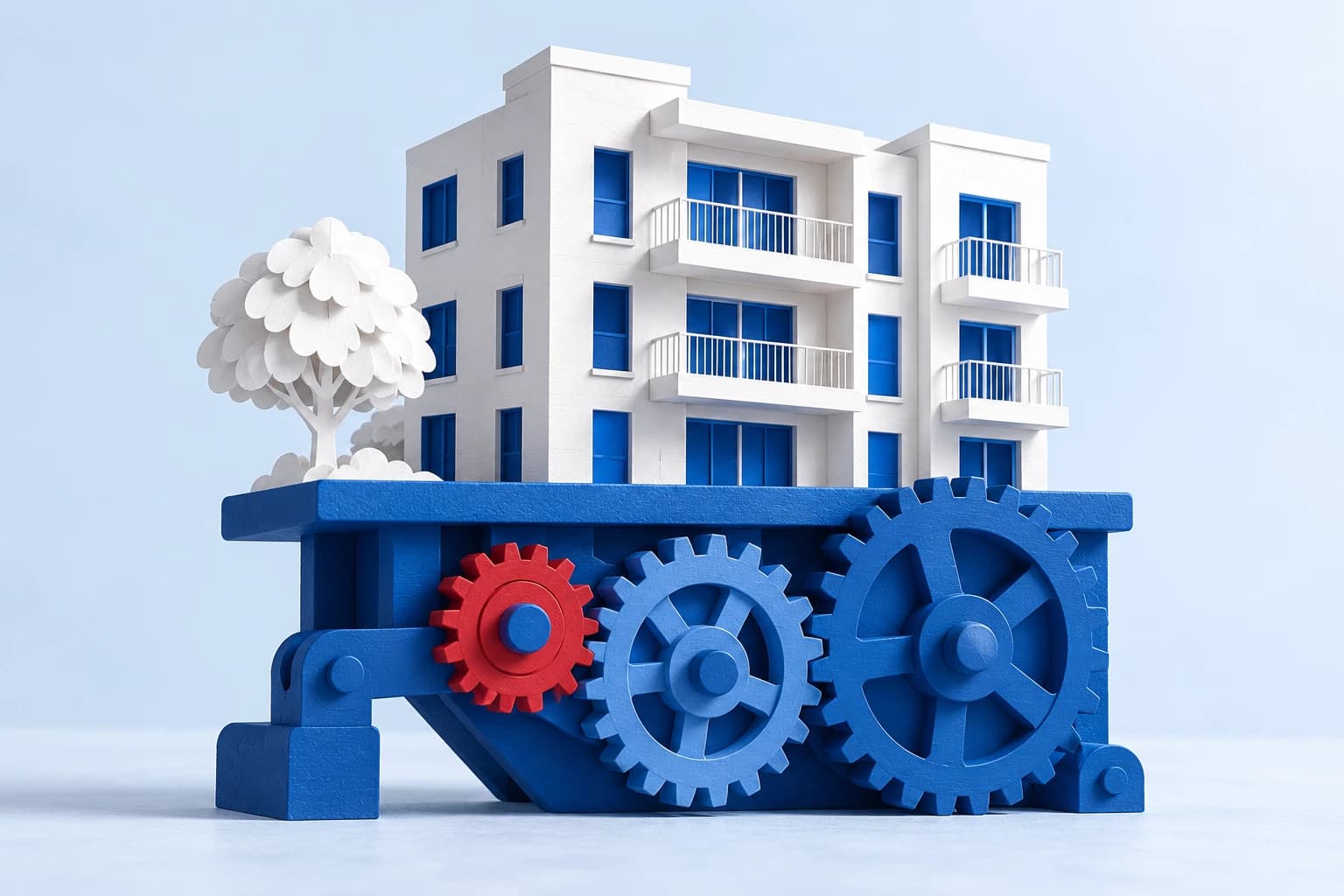
Ownership alone does not make something useful to your future freedom. In AIBE’s framework, an asset carries today’s effort forward, reducing the work required later while expanding your choices.
Something that survives only through your continuous involvement still behaves like a job. The aim is to build lasting capacity, not simply accumulate possessions.
- Learn a skill
Solve the problem once
- Build a process
Make the solution repeatable
- Create capacity
Keep the benefit working
An asset earns its place by reducing future effort and expanding your choices.
Explore the asset ecosystem
Assets extend beyond financial holdings:
- Skills and knowledge: Learning that solves recurring problems.
- Decision frameworks: Consistent rules that prevent repeated mistakes.
- Property: A potential source of cash flow beyond daily labor.
- Automation: Processes that remove recurring friction and errors.
- Relationships: Connections that make future collaboration easier.
- Financial structure: Preparation that makes opportunities accessible.
- Businesses and intellectual property: Value that can operate beyond your physical presence.
These are educational categories; owning something in a category does not guarantee its performance.
Use the asset test
Ask whether the thing you are building will lighten future work, preserve more choices, and continue functioning without constant intervention.
If those conditions are missing, identify the structure that is still needed. An acquisition may require better processes before it delivers the intended benefit.
Reflect
Where are you repeatedly spending effort that could instead build a reusable skill, process, or asset?